
Quick Answer: If you're buying a home in South Jersey, book the radon test at the same time as your home inspection. The test runs for at least 48 hours under closed-house conditions, so it needs to start early in your inspection window. If the result comes back at or above the EPA action level of 4.0 pCi/L, you'll have it in hand while you can still negotiate mitigation with the seller.
Why Timing Matters More Than People Think
Most buyers know they should test for radon. I explained why in Radon Testing in New Jersey: Why Every Home Should Be Tested. Where people get caught out is the calendar.
A home inspection is done in one visit. A radon test isn't. The monitor has to sit in the house for at least 48 hours, then come out, then the results get reported. Add a weekend or a seller who forgot to keep the windows closed, and a short contingency period gets tight fast.
My advice to every buyer: schedule radon testing the same day as the home inspection. C&C Home Inspections can place the monitor when I arrive for the inspection, so both are running from day one.
How the Test Works
The process is straightforward:
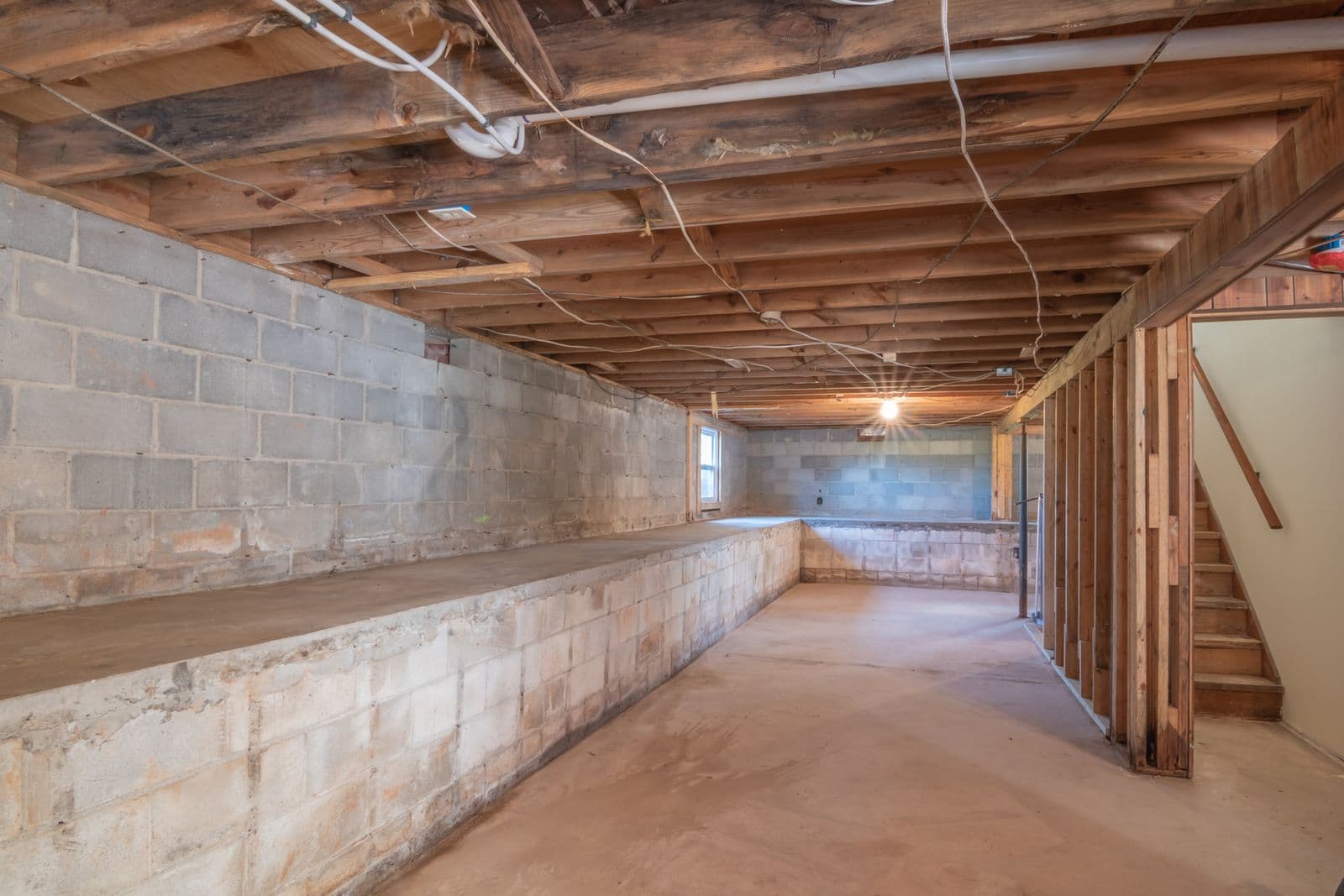
- Placement. I place a calibrated continuous radon monitor in the lowest livable level of the home. In most South Jersey houses that's the basement. In slab homes it's usually a ground-floor room.
- 48-hour test. The house stays under closed-house conditions for at least 48 hours.
- Report. I retrieve the monitor and you get a clear report with the average radon level and whether further action is recommended.
A continuous monitor records readings throughout the test rather than giving one number at the end. That makes it easier to see whether the reading was steady across the test period.
What "Closed-House Conditions" Means for the Seller
This is the part that's out of the buyer's hands, so it's worth your agent passing it along to the seller's agent early. During the test:
- Windows stay closed on every level.
- Exterior doors are used only for normal coming and going.
- Whole-house fans and window air conditioners that pull in outside air stay off.
- Normal heating and central air can run as usual.
- The monitor shouldn't be moved, unplugged, or covered.
Opening the house up during the test can lower the reading and give you a number that doesn't reflect how the home performs day to day. If a seller has showings or open houses scheduled, a quick reminder to keep the windows shut goes a long way.
"The House Has No Basement. Do I Still Test?"
Yes. Plenty of homes across Camden, Gloucester, and Burlington counties sit on slabs or crawl spaces, and buyers sometimes assume radon is only a basement problem. Radon comes from the soil, and it can enter through slab cracks, plumbing penetrations, and gaps around crawl space framing. The EPA recommends testing regardless of foundation type, and levels can vary from house to house on the same street. A neighbor's result doesn't tell you about yours.
Reading Your Result
Radon is reported in picocuries per liter (pCi/L). Here's how buyers usually think about the number:
- Below 2.0 pCi/L. Low. Most buyers move on.
- Between 2.0 and 4.0 pCi/L. Below the EPA action level, but some buyers choose to consider reducing it anyway, since no level of radon is completely risk-free.
- At or above 4.0 pCi/L. The EPA recommends taking action to reduce radon in the home.
A high result isn't a reason to panic or walk away. Radon is a fixable problem.
What to Do If the Number Is High
If the test comes back at or above the action level, the usual path looks like this:
- Talk to your agent and attorney about how to handle it under your contract. Common outcomes are the seller installing a mitigation system before closing or giving a credit.
- Get the work done by a qualified mitigation contractor. A typical system is a fan and vent pipe that draws soil gas from beneath the foundation and vents it above the roofline.
- Retest after mitigation. A follow-up test confirms the system is doing its job. If the seller installs the system, ask for the post-mitigation result before closing.
Bundle It With the Home Inspection
Radon testing and the home inspection fit together well. While the monitor runs, I'm going through the rest of the house: roof, structure, plumbing, electrical, heating and cooling. Foundation cracks, sump pits, and open plumbing penetrations I note in the inspection are also places soil gas can come in, so you see the full picture together.
Many buyers also add a WDO inspection to the same visit. If you're paying cash or financing conventionally, see Termite Inspection for Cash and Conventional Buyers in South Jersey. For a combined quote on a home inspection with radon and WDO add-ons, call (856) 522-6020.
FAQ
Can the seller's old radon test stand in for mine? An older result is useful history, but conditions change and you can't confirm how the test was run. Most buyers test again.
Can I be in the house during the test? The test runs while the house is used normally, as long as closed-house conditions are kept. Buyers usually aren't there for the full 48 hours anyway.
Does weather affect the test? Severe storms and very high winds can affect readings. If the weather turns extreme, we'll talk about whether to extend or repeat.
Related Reading
- Radon Testing in New Jersey: Why Every Home Should Be Tested
- Termite Inspection for Cash and Conventional Buyers in South Jersey
- Home Inspection Cost in New Jersey: 2026 Pricing Guide
Schedule Your Radon Test
C&C Home Inspections offers certified radon testing alongside home inspections and WDO inspections across Camden, Burlington, Gloucester, Salem, Atlantic, and Cumberland counties. Call (856) 522-6020 or email Cchomeinspectaj@gmail.com to book your radon test with your home inspection.