
Quick Answer: If you're buying a South Jersey home with cash or a conventional mortgage, your lender may not ask for a termite report. That doesn't mean you should skip one. A WDO (wood-destroying organism) inspection looks for termites, carpenter ants, powderpost beetles, and wood-decay fungi, and it's the only part of the buying process focused entirely on wood damage that's easy to miss in a quick walk-through. Adding it to your home inspection means one visit and one clear answer before you sign.
"My Lender Didn't Ask for It. Do I Still Need One?"
Most people first hear about termite inspections because an FHA or VA lender asks for an NPMA-33 report. I covered that side in WDO & Termite Inspection for FHA and VA Loans in New Jersey. But a lot of South Jersey buyers aren't using those loans. Cash buyers, investors, and people with conventional mortgages often get to closing without anyone asking about termites at all.
Lender paperwork and your own protection are two different things. Lender requirements vary from loan to loan, so ask yours what they want. Either way, a lender requirement exists to protect the loan. Your WDO inspection protects you. Termites don't care how you financed the house, and the damage they leave behind becomes your problem the day you close.
Why Termites Are a Real Concern in South Jersey
Subterranean termites live in the soil and travel up into a house looking for wood. A few things about our area make that easier for them:
- Older housing stock. Many homes in Camden, Gloucester, and Burlington counties were built decades ago, with sill plates, porches, and framing that have had a long time to meet moisture and pests.
- Crawl spaces and slab additions. Crawl spaces are dark and damp, and additions or enclosed porches often have wood close to grade.
- Wood-to-soil contact. Deck posts, fence lines tied into the house, landscape timbers, and mulch piled against siding all give termites a bridge.
- Moisture. Clogged gutters, short downspouts, and poor grading keep the soil next to the foundation wet, which termites and wood-decay fungi both like.
None of this means every house has termites. It means you shouldn't assume a house doesn't just because nobody asked.
What a WDO Inspection Looks At
At C&C Home Inspections, a WDO inspection covers accessible interior and exterior wood, the foundation perimeter, crawlspaces, and attics. I'm looking for:
- Live activity. Termites, carpenter ants, or other wood-destroying insects.
- Mud tubes. Pencil-width earthen tunnels on foundation walls, piers, and sill plates.
- Damaged wood. Framing, joists, sills, and trim that sound hollow or show galleries inside.
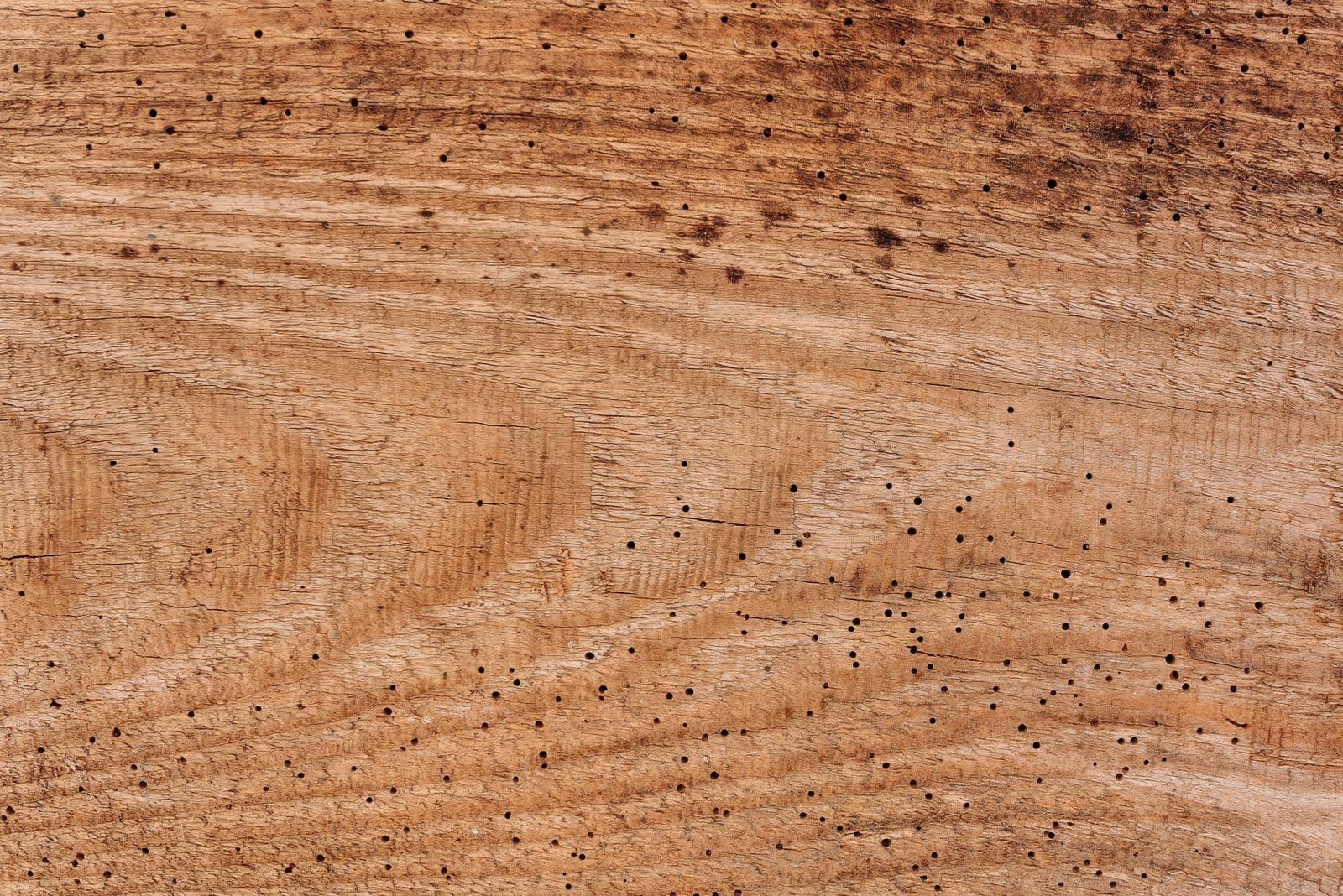
- Frass and exit holes. Signs of powderpost beetles in older wood.
- Wood-decay fungi. Rot from long-term moisture, often near leaks, gutters, and grade.
- Conducive conditions. The moisture, wood-to-soil contact, and debris that invite future problems.
- Evidence of past treatment. Drill holes in slabs or patios and other signs that the house has been treated before, which is worth asking the seller about.
Findings go on the NPMA-33 form, the standard report lenders and real estate professionals recognize. Even if no lender needs it, it's a clean record for your file and useful if questions come up later.
Termite Damage vs. Ordinary Wood Rot
Buyers often see soft or stained wood and assume the worst, or see damaged framing and assume it's "just old." They're different problems with different fixes:
- Termite damage usually follows the grain, with layered, hollowed galleries and dried mud packed inside.
- Carpenter ant damage looks cleaner and smoother, often with piles of coarse sawdust nearby.
- Wood rot is soft, crumbly, or stringy, and it almost always traces back to a water source.
My background is in carpentry, with more than twenty years of construction experience before inspecting. I've opened up and replaced a lot of damaged wood, so I can usually tell you what you're looking at and whether it points to an active problem, an old one, or a moisture issue that needs fixing first.
Why Pair It With Your Home Inspection
A WDO inspection and a home inspection look at the same house through two different lenses. The home inspection covers roof, structure, plumbing, electrical, heating and cooling, and the rest. The WDO inspection zooms in on wood-destroying organisms and the conditions that feed them.
Booking both together means:
- One visit. The WDO work is done during the same appointment.
- Connected findings. A plumbing leak I find in the home inspection may explain decay I find in the WDO inspection, and you see both in context.
- One timeline. You have everything in hand during your inspection contingency window, while you still have room to negotiate.
Call (856) 522-6020 for a combined quote on a home inspection with a WDO add-on.
What If Something Turns Up?
Finding termite evidence isn't automatically a reason to walk away. Common next steps include:
- Asking the seller for treatment records or any existing service agreement.
- Having a licensed pest control company evaluate and treat active activity.
- Getting a contractor's opinion on repairs if damage reaches structural framing.
- Negotiating a repair, a credit, or a price change with your agent and attorney.
The point of the inspection is to make that a decision you make with information, not a surprise you find when you pull up a floor.
FAQ
Is a termite inspection required for a cash purchase in New Jersey? Generally a cash buyer isn't working with a lender, so nobody requires one. It's still worth doing for your own protection. Ask your attorney or agent if your contract calls for one.
Can I spot termites myself during a showing? Sometimes, but mud tubes hide behind stored items, insulation, and finished walls. A trained eye with a flashlight and moisture checks catches much more.
Does a WDO inspection include treatment? No. The inspection documents what's there. Treatment is done by a licensed pest control company.
How long does it take? When bundled with a home inspection, it's done during the same visit.
Related Reading
- WDO & Termite Inspection for FHA and VA Loans in New Jersey
- Home Inspection Cost in New Jersey: 2026 Pricing Guide
- Radon Testing in New Jersey: Why Every Home Should Be Tested
Add a WDO Inspection to Your Home Inspection
C&C Home Inspections provides home inspections, radon testing, and WDO inspections across Camden, Burlington, Gloucester, Salem, Atlantic, and Cumberland counties. Whether you're paying cash or financing conventionally, call (856) 522-6020 or email Cchomeinspectaj@gmail.com to add a WDO inspection to your home inspection.