
Quick Answer: South Jersey roofs take a beating from nor'easters, summer thunderstorms, freeze-thaw cycles and, near the shore, salt air. Watch for granules in the gutters, curling or missing shingles, damaged flashing and ceiling stains. The roof is part of every C&C home inspection. For repairs, a replacement quote or an insurance claim, call a licensed roofing contractor and your insurance company.
Why South Jersey Roofs Take a Beating
South Jersey weather is rougher on roofs than most people realize. We get:
- Nor'easters with sustained winds that lift shingles and rip flashing
- Summer thunderstorms that drop hail, debris, and torrential rain
- Freeze-thaw cycles that crack sealants and open up nail penetrations
- High humidity that grows algae and rots wood decking
- Coastal salt air in Atlantic and Cape May County that corrodes metal flashings and fasteners faster than inland areas
An asphalt shingle roof can wear out sooner here than its rating suggests, especially if it was installed cheaply or with the wrong underlayment.
Warning Signs to Watch For
Don't wait for water to come through the ceiling. Pay attention if you see:
- Granules in the gutters or at downspout outlets. Shingles are wearing out.
- Curling, cupping, or buckling shingles. Heat damage or end of life.
- Missing shingles after a storm. Even one missing shingle is a leak path.
- Daylight visible in the attic. Self-explanatory.
- Sagging ridgeline or rafters. Structural concern, not just roofing.
- Stains on ceilings or upper walls. Active or past leak.
- Moss or heavy algae growth. Holds moisture against the roof surface.
- Damaged flashing around chimneys, skylights, and vents. A common place for leaks to start.
What a C&C Home Inspection Covers on the Roof
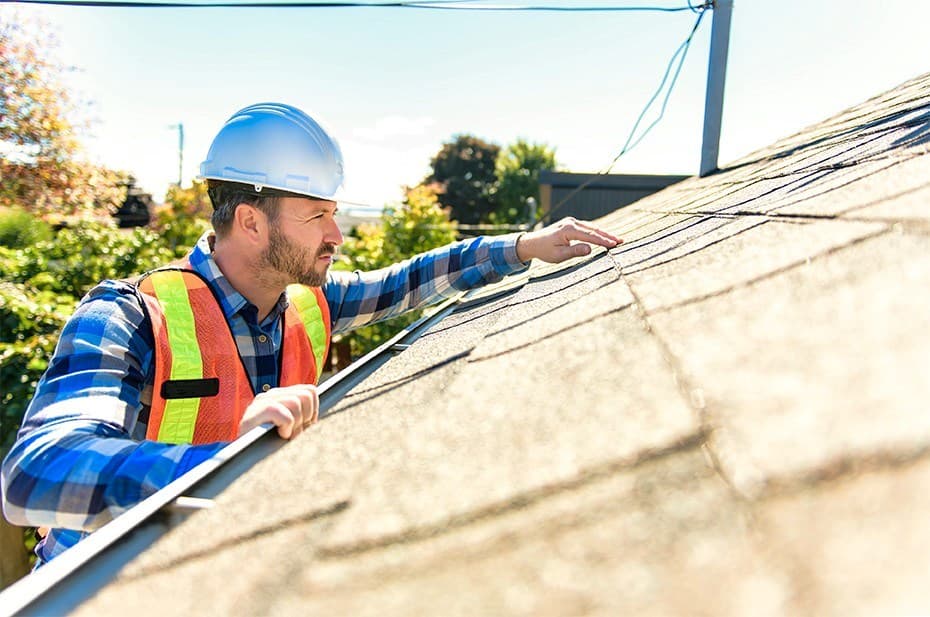
The roof is part of every C&C home inspection. I check the roof and exterior and climb into the attic, and the roof section of the report covers:
- Roof coverings, including shingle condition and visible wear
- Flashing at chimneys, skylights, walls, vents, and roof penetrations
- Gutters and downspouts
- Vents, skylights, and the chimney
- The general structure of the roof
- The attic, including insulation and ventilation, and signs of leaks from inside
Every concern is photographed in the report so you can see what I saw and where.
Storm Damage: What's Real, What's Not
After every major storm, homeowners start worrying about possible damage. Some concerns are real, some are not.
Real storm damage signs:
- Creased or cracked shingles from wind lifting
- Missing tabs or full shingles
- Hail bruising visible as soft spots or granule loss in circular patterns
- Bent or torn flashing
- Damaged or missing ridge cap
- Tree limb impacts
Often confused with damage:
- Normal granule loss (a moderate amount is expected throughout shingle life)
- Algae streaking (cosmetic, not structural)
- Slightly lifted shingles in extreme heat (often re-seal naturally)
Knowing the difference matters. Filing an insurance claim for damage that isn't really there can hurt you, and filing too late for real damage can mean a denied claim.
Aging Roofs: Repair or Replace?
That decision belongs to a licensed roofing contractor, but it helps to know how the conversation usually goes:
- Newer roofs that leak usually have an installation or flashing defect, and a targeted repair is often the fix.
- Middle-aged roofs with isolated problems can often be repaired: replace flashing, fix specific failure points.
- Older roofs with widespread granule loss, multiple failures, or repeated leaks are where replacement starts to make sense. Patching an old roof can leave you exposed to water damage the next time a big storm comes through.
Ask the roofer to show you photos of what they found and to put their recommendation in writing. Getting more than one opinion on a full replacement is always reasonable.
Insurance Claims After a Storm
A few things to know:
Call your insurance company first. Don't let a roofer push you into a claim before you've talked to your insurer. Some claims that get denied can still follow your account.
A home inspector is not a public adjuster. Your insurance company and its adjuster handle the claim itself. Keep your own records and get a licensed roofer's written assessment before agreeing to a new roof.
Photo documentation matters. Take photos of your roof every year, especially right after a storm. Time-stamped photos help if you need to show damage was new.
The Roof When You're Buying a Home
The roof is part of every C&C home inspection, so you don't need to book anything separately to have it looked at. If the roof is older or there are visible concerns, I recommend having a licensed roofing contractor take a closer look before your inspection period ends, especially if the seller can't produce the installation date.
What buyers often miss: a roof that "isn't leaking now" doesn't necessarily have years of life left. Remaining lifespan is what matters for your negotiation.
FAQ
Is the roof included in a home inspection? Yes. The roof is part of every C&C home inspection. The price depends on the home, mainly its size and age. Call (856) 522-6020 or request a quote.
Who should I call to repair or replace my roof? A licensed roofing contractor. Ask for a written assessment and photos, and get more than one estimate for a replacement.
Will a home inspection void my roof warranty? No. A visual inspection doesn't affect the warranty.
Can I file an insurance claim months after a storm? Possibly, but most policies have a notification window. Call your insurance company as soon as you can.
Related Reading
- Home Inspection Cost in New Jersey: 2026 Pricing Guide
- Radon Testing in New Jersey: Why Every Home Should Be Tested
- WDO & Termite Inspection for FHA and VA Loans in New Jersey
Schedule Your Home Inspection
C&C Home Inspections serves Camden, Burlington, Gloucester, Salem, Atlantic, and Cumberland counties, and the roof is part of every home inspection. If you're buying a home with an older roof or recent storm exposure, getting eyes on it now beats finding water damage in February. Call (856) 522-6020 or email Cchomeinspectaj@gmail.com to schedule your home inspection.