
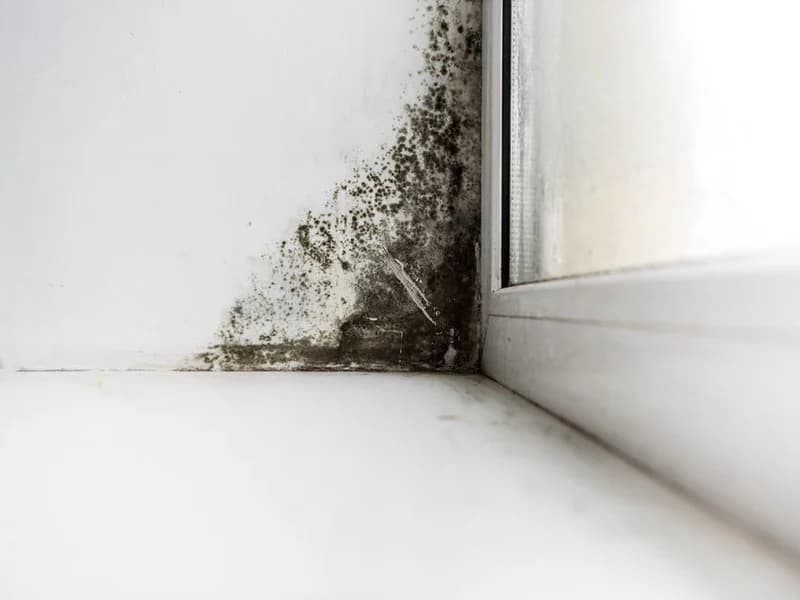
Quick Answer: A mold inspection is a visual and moisture-based evaluation of your home to find active mold, water intrusion, and the conditions that allow mold to grow. South Jersey homes are particularly vulnerable because of humid summers, high water tables in parts of Camden and Burlington counties, and older basements that weren't built for modern climate swings. If you can smell it, see staining, or have had a recent leak, it's time to test.
Why South Jersey Has a Mold Problem
Humidity in South Jersey runs high from May through September. We get coastal moisture from the Atlantic side and summer thunderstorms that dump water against foundations that were never properly graded. Add in older homes around Camden, Collingswood, Glassboro, and Mount Holly, and you've got the perfect setup for mold growth in basements, crawl spaces, attics, and behind walls.
I see it constantly. A homeowner calls about a "musty smell," and within ten minutes of walking the basement I can point to the source. It's almost always one of three things: a slow plumbing leak, missing gutter extensions, or a crawl space that's never been encapsulated.
What a Mold Inspection Actually Covers
A proper mold inspection isn't just walking around with a flashlight. At C&C, every mold-focused inspection includes:
- A visual survey of basements, crawl spaces, attics, bathrooms, kitchens, and laundry areas
- Moisture meter readings on suspect walls, ceilings, and flooring
- Humidity readings in basements and crawl spaces (anything above 60% is a problem)
- Thermal imaging where moisture can be hiding behind drywall
- Documentation of any active leaks, water staining, or biological growth
- A written report with photos and clear recommendations
If sampling is warranted, air samples or swab samples can be sent to an accredited lab. Sampling isn't always necessary. Sometimes the visual evidence is enough to recommend remediation.
Common Mold Locations in South Jersey Homes
Older South Jersey housing stock has predictable trouble spots:
- Basement corners and sill plates. Foundation seepage from heavy rain is the number one cause.
- Crawl spaces. Dirt floors and missing vapor barriers turn crawl spaces into mold factories every summer.
- Bathroom ceilings. Exhaust fans that vent into the attic instead of outside cause hidden attic mold.
- Behind kitchen sinks. Slow drain leaks rot the cabinet bottom and feed mold.
- HVAC closets. A condensate line that backs up will wet drywall for months before you notice.
- Attic sheathing. Poor ventilation plus bathroom fans dumping warm air equals black staining on the underside of the roof deck.
When You Should Get a Mold Inspection
You don't need a mold test for every transaction. You do need one if any of these apply:
- You smell a musty or earthy odor in any part of the home
- You can see staining, discoloration, or fuzzy growth on walls, ceilings, or wood
- You've had a recent flood, plumbing leak, or roof leak
- A family member has unexplained allergy symptoms, asthma flares, or sinus issues that improve when they leave the house
- You're buying a home with a finished basement (the most commonly hidden problem area)
- The home was vacant or bank-owned for more than 90 days
Mold Inspection vs Mold Remediation
These are two different jobs, and an honest inspector will never do both. I inspect, document, and report. If remediation is needed, you hire a licensed remediation company. This separation protects you. An inspector who also sells remediation has a financial incentive to find problems whether they exist or not. C&C Home Inspections doesn't do remediation, so when I say something needs attention, you can trust it.
What Happens After the Inspection
You receive a written report within 48 hours, usually same day. The report includes:
- Photos of every area of concern
- Moisture readings with locations
- A summary of likely causes (gutter problems, plumbing, ventilation, grading)
- Clear next steps so you can get accurate remediation quotes
If you're buying a home, this report becomes a negotiating tool. If you're a current owner, it's a roadmap for fixing the moisture source first, then dealing with the visible mold.
How Much Does Mold Inspection Cost in South Jersey?
A visual mold inspection runs $200 to $400 depending on home size. If lab sampling is added, expect another $75 to $150 per sample. Call (856) 522-6020 for a quote specific to your address.
FAQ
Is mold testing required by law in New Jersey? No. New Jersey doesn't license mold inspectors and doesn't require testing during a real estate transaction. That doesn't mean it isn't worth doing.
Can I do a DIY mold test from a hardware store? You can, but the petri dish kits are nearly useless. Mold spores exist everywhere, so those tests almost always come back "positive." A proper inspection identifies sources and severity, which a $15 kit cannot.
Will my homeowners insurance cover mold remediation? Sometimes, if it's the result of a sudden covered event like a burst pipe. Mold from long-term humidity, neglected leaks, or grading issues is almost never covered. Read your policy.
Do I need a mold inspection if my home passed a regular home inspection? A standard home inspection notes visible mold but isn't a deep moisture investigation. If anyone in the house has health symptoms or you've had water issues, a dedicated mold inspection is the right call.
Related Reading
- Home Inspection Cost in New Jersey: 2026 Pricing Guide
- Radon Testing in New Jersey: Why Every Home Should Be Tested
Schedule Your Mold Inspection
C&C Home Inspections covers Camden, Burlington, Gloucester, Salem, Atlantic, and Cumberland counties. If you suspect mold in your South Jersey home, don't wait for it to get worse. Call (856) 522-6020 or email Cchomeinspectaj@gmail.com to schedule. I'll give you a straight answer, a clear report, and the information you need to fix the problem at its source.